TL;DR
- This blog is for homeowners and renters who want to clean their carpets, durries, or rugs at home without spending on professional services.
- Most carpet problems - dirt buildup, stains, and odors - can be solved with items already in your kitchen: baking soda, white vinegar, and dish soap.
- The right method depends on what you are dealing with: regular maintenance, fresh stains, or a full deep carpet cleaning session.
- Never rub a stain - always blot. Rubbing spreads the stain deeper into the carpet fibers and makes it harder to remove.
- A simple weekly vacuum routine plus the right stain response within the first 10 minutes can save your carpet from permanent damage.
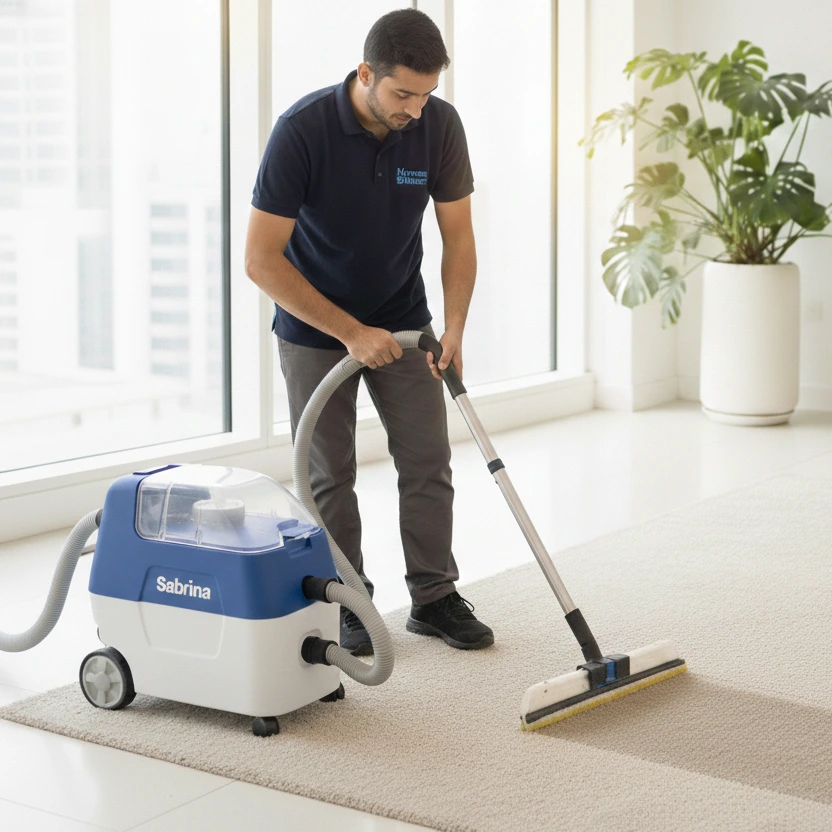
Your carpet sees everything - chai spills, muddy footprints, pet messes, and years of daily foot traffic. And yet, it is often the most neglected item in the house when it comes to cleaning.
In this guide, you will learn how to clean carpet at home using simple methods and everyday kitchen ingredients. Whether you are dealing with a fresh stain or planning a full deep carpet cleaning, this covers it all - no expensive machines required.
Why Regular Carpet Cleaning Actually Matters
Most people vacuum their carpets occasionally and call it done. But a carpet is more than a floor covering - it acts like a filter, trapping dust, allergens, bacteria, and dead skin cells deep inside its fibers.
Over time, this buildup causes the carpet to look dull, smell musty, and contribute to indoor air quality issues. For homes with kids, pets, or allergy-prone family members, a dirty carpet is a genuine health concern.
Regular cleaning - even just vacuuming weekly and addressing stains immediately - can extend your carpet's life significantly and keep your home feeling genuinely fresh.
In Indian homes, carpets and durries also attract dust much faster due to open windows, footwear habits, and high foot traffic. That makes a consistent cleaning routine even more important here.
What You Need Before You Start
You do not need a professional kit to clean carpet at home. Here is what works:
- For regular cleaning: A good vacuum cleaner, a stiff brush, and clean dry cloths.
- For stain removal: White vinegar, baking soda, dish soap, warm water, and a spray bottle.
- For deep carpet cleaning: A scrub brush, bucket, carpet shampoo or DIY solution, and enough ventilation to let the carpet dry.
Having these ready before you start saves time and prevents the stain from setting while you hunt for supplies.
How to Clean Carpet: Step-by-Step Process
Step 1 - Clear the Area and Pre-Vacuum
Move furniture off the carpet as much as possible. For heavier pieces, work in sections.
Start with a thorough vacuum. Go over the carpet at least twice - once in a vertical direction, then horizontal. Pay extra attention to high-traffic zones near doorways, sofas, and dining areas.
Vacuuming before any wet cleaning is non-negotiable. If you wet the carpet while loose dirt is still on it, you are essentially turning that dirt into mud and pushing it deeper into the fibers.
Step 2 - Pre-Treat Any Visible Stains
Before going into a full deep carpet cleaning, identify and pre-treat existing stains. This makes the overall cleaning far more effective.
For fresh stains, blot up as much liquid as you can with a dry cloth first. Work from the outer edge of the stain inward - this prevents it from spreading.
For older stains, apply your cleaning solution and let it sit for 5-10 minutes before scrubbing.
Step 3 - Apply Your Cleaning Solution
For a whole-carpet clean without a machine, the most effective DIY solution is:
- 1 cup warm water
- 1 tablespoon white vinegar
- 1 tablespoon dish soap
Mix this in a spray bottle or bowl. Apply it section by section using a scrub brush, working the solution into the fibers with gentle circular motions. Do not saturate the carpet - damp is the goal, not soaking wet.
Work in small sections (about 2x2 feet) so the solution does not dry before you can clean it up.
Step 4 - Rinse and Blot Dry
Once you have scrubbed a section, wipe it down with a clean cloth dampened with plain water. This removes the soap residue - leftover soap actually attracts more dirt, which defeats the purpose.
Blot firmly to pull moisture out of the fibers. Lay a dry towel over damp sections and press down with your foot to absorb excess water faster.
Step 5 - Dry Completely Before Walking on It
This is the step most people skip - and it causes mold and mildew problems.
Open windows and doors for cross-ventilation. If possible, run a fan pointed at the carpet. Keep the area clear for at least 4-6 hours, and overnight if you did a full deep carpet cleaning.
Never put furniture back on a damp carpet. The legs will leave rust stains or moisture rings that are very difficult to remove later.
How to Remove Carpet Stains: Type-by-Type Guide
Different stains need different approaches. Here is what actually works for the most common ones.
Chai and Coffee Stains
Blot up as much liquid as possible immediately. Then mix 1 tablespoon dish soap with 1 tablespoon white vinegar and 2 cups of warm water. Apply with a cloth, let it sit for 5 minutes, and blot clean. Repeat if needed. Rinse with plain water and blot dry.
Haldi (Turmeric) Stains
Haldi is one of the toughest stains to remove because of its strong natural dye. Act fast - the longer it sits, the harder it gets. Apply a small amount of diluted dish soap and cold water (not hot - heat sets turmeric). Blot repeatedly. For older haldi stains, a mix of hydrogen peroxide with dish soap can help, but test it in a hidden corner first since it can lighten some carpet colors.
Oil and Grease Stains
Sprinkle baking soda generously over the fresh grease stain. Let it sit for 15-20 minutes to absorb the oil. Vacuum it up, then apply a dish soap and water solution. Scrub gently and blot dry. Dish soap is specifically formulated to cut through grease, making it the right tool for this type of carpet stain.
Pet Urine Stains and Odors
Blot up as much urine as possible while it is still wet. Mix equal parts white vinegar and water and spray generously over the area. Let it sit for 5-10 minutes. The vinegar neutralizes the ammonia in urine. Blot dry, then sprinkle baking soda over the area and let it sit overnight. Vacuum the next morning. This combination handles both the stain and the odor effectively.
Old, Set-In Stains
Old stains need more time and a slightly stronger approach. Mix equal parts white vinegar and water in a spray bottle, add a few drops of dish soap, then sprinkle baking soda over the stained area. Spray the vinegar solution on top - it will fizz. Let the reaction work for 5 minutes, then gently scrub with a soft brush and blot clean. Repeat the process once or twice for stubborn stains.
Deep Carpet Cleaning at Home Without a Machine
If your carpet has not had a proper clean in months (or longer), a spot-by-spot approach is not enough. Here is how to do a real deep carpet cleaning without renting any equipment.
Method 1 - Baking Soda Dry Treatment
This is the gentlest approach and works well for odor removal and light surface dirt.
Sprinkle a generous layer of baking soda across the entire carpet. Use a stiff brush to work it into the fibers. Leave it for at least 30 minutes - ideally overnight for really smelly carpets. Vacuum thoroughly the next morning.
This method does not remove stains, but it is excellent for freshening up between deeper cleans.
Method 2 - Vinegar Scrub
This is a proper deep carpet cleaning method using a 1:3 ratio of white vinegar to warm water. Work section by section with a scrub brush, massaging the solution into the fibers. Follow with a damp rinse cloth and then dry towels.
Note: Do not use vinegar on wool, silk, or handmade Persian or antique rugs. Vinegar is acidic and can damage natural fibers and fade dyes on these materials. It works well on synthetic carpets - nylon, polyester, polypropylene - which make up the majority of machine-made carpets.
Method 3 - Shampoo by Hand
For a more thorough deep carpet cleaning, use a proper carpet shampoo (widely available at hardware stores). Dilute as per instructions, apply with a brush in sections, scrub thoroughly, and rinse with a damp cloth. This method takes time but gives results closest to a professional clean.
Carpet Cleaning Maintenance Schedule
One deep clean every few months means nothing if the daily routine is poor. Here is what actually keeps carpets clean over time.
- Daily: Spot-treat any fresh spills immediately. Do not let them sit.
- Weekly: Vacuum the entire carpet, paying extra attention to doorways and high-traffic zones. For homes with pets, vacuum at least twice a week.
- Monthly: Do a quick vinegar and water wipe-down on any problem areas or heavily used sections.
- Every 3-6 months: Full deep carpet cleaning using the methods above.
- Annually: Consider professional cleaning for carpets with heavy buildup, embedded dirt, or stains that did not fully respond to DIY treatment.
Frequently Asked Questions
What is the best homemade solution for carpet stains?
A mix of 1 tablespoon dish soap, 1 tablespoon white vinegar, and 2 cups of warm water works well for most common carpet stains including tea, coffee, food, and pet accidents. Always blot - never rub - and rinse the area with plain water after cleaning.
How do I deep clean carpet at home without a machine?
Vacuum first, then apply a vinegar-water solution with a scrub brush section by section. Blot dry with clean cloths and allow the carpet to air dry completely. For odors, a baking soda overnight treatment followed by vacuuming is very effective.
How often should I clean my carpet?
Vacuum weekly, spot-treat stains immediately, and do a full deep carpet cleaning every 3 to 6 months depending on usage, pets, and foot traffic.
Can I use baking soda on all carpet types?
Yes, baking soda is safe for virtually all carpet types and fibers. It does not stain and simply lifts odors and light soil before being vacuumed away.
Does white vinegar damage carpets?
Vinegar is safe for most synthetic carpets (nylon, polyester, polypropylene). Avoid using it on natural fiber carpets like wool, silk, or handwoven rugs, as the acidity can damage the fibers and fade the dyes.
How do I remove old set-in stains from carpet at home?
Spray equal parts white vinegar and water on the stain, add a few drops of dish soap, then sprinkle baking soda on top and let the fizzing reaction work for 5 minutes. Gently scrub with a soft brush and blot clean. Repeat the process once or twice for stubborn stains.